
Key Takeaways
Proactive safety checks protect both residents and your investment by reducing hazards, liability, and costly repairs.
New Jersey landlords must stay compliant with state requirements covering fire safety, electrical systems, plumbing, heating, and structural integrity.
Regular maintenance prevents bigger problems, including mold, pests, fire risks, and accessibility issues.
Professional support makes compliance easier, helping landlords identify safety gaps and maintain secure, well-managed rentals.
Are you confident that your rental property is truly safe for your residents, or do you worry there might be hidden hazards you haven’t noticed? Ensuring your property meets safety standards is not just about avoiding fines, it’s about protecting the people who live there and safeguarding your investment.
Many landlords in New Jersey often underestimate the importance of regular safety checks, but taking proactive steps can prevent costly issues and create a positive reputation for your rentals.
PMI Prime Property helps rental property owners in NJ stay on top of these standards, providing guidance and support to make sure every unit is secure, comfortable, and compliant. In this article, we’ll walk through practical ways to identify safety gaps and ensure your property consistently meets all necessary requirements.
Want to Know More About Safety Standards?
New Jersey Rental Safety Standards Checklist for Landlords
Ensuring your rental property in New Jersey meets safety standards protects your residents and keeps you compliant with state regulations. This detailed checklist guides landlords through inspections, maintenance, renovations, and safety upgrades to prevent hazards, reduce liability, and maintain a secure, well-managed rental environment:
1. Protect Lives with Reliable Detectors
Installing smoke and carbon monoxide detectors is one of the simplest yet most crucial steps for any rental property in New Jersey. Every bedroom, hallway, and floor should have a functioning smoke detector, while carbon monoxide detectors are required near sleeping areas if your property uses fuel-burning appliances.
Regularly testing these devices ensures they work when you need them most. Changing batteries at least once a year and replacing outdated units helps prevent accidents, protect your residents, and keep your property compliant with NJ safety regulations.
2. Keep Fire Risks in Check
Ensuring your rental is prepared for fire emergencies safeguards both residents and your investment. Fire extinguishers should be easily accessible in kitchens, shared spaces, and near mechanical areas, and all escape routes should remain clear and well-lit.
Windows and doors that serve as emergency exits must function properly to provide a safe way out if a fire occurs. Following New Jersey fire safety codes not only reduces risk but also demonstrates responsible property ownership, helping residents feel secure in your rental.
Want to Know More About Your Property?
3. Secure Electrical Systems
Properly maintained electrical systems are vital for safety and comfort. Outlets, switches, and wiring should meet NJ code standards, while GFCI outlets are required in bathrooms, kitchens, basements, and outdoor areas to prevent electrical shocks.
Frequent inspections for exposed wires, overloaded circuits, or flickering lights can help prevent hazards and costly repairs. Keeping your electrical system up to date protects residents, reduces liability, and ensures that your property remains a safe and reliable place to live.
4. Guarantee Safe Water and Plumbing
Your rental’s plumbing should provide clean, safe, and functional water at all times. Pipes, faucets, and drains must be free from leaks, corrosion, or blockages, and water heaters should be set below 120°F to prevent scalding incidents.
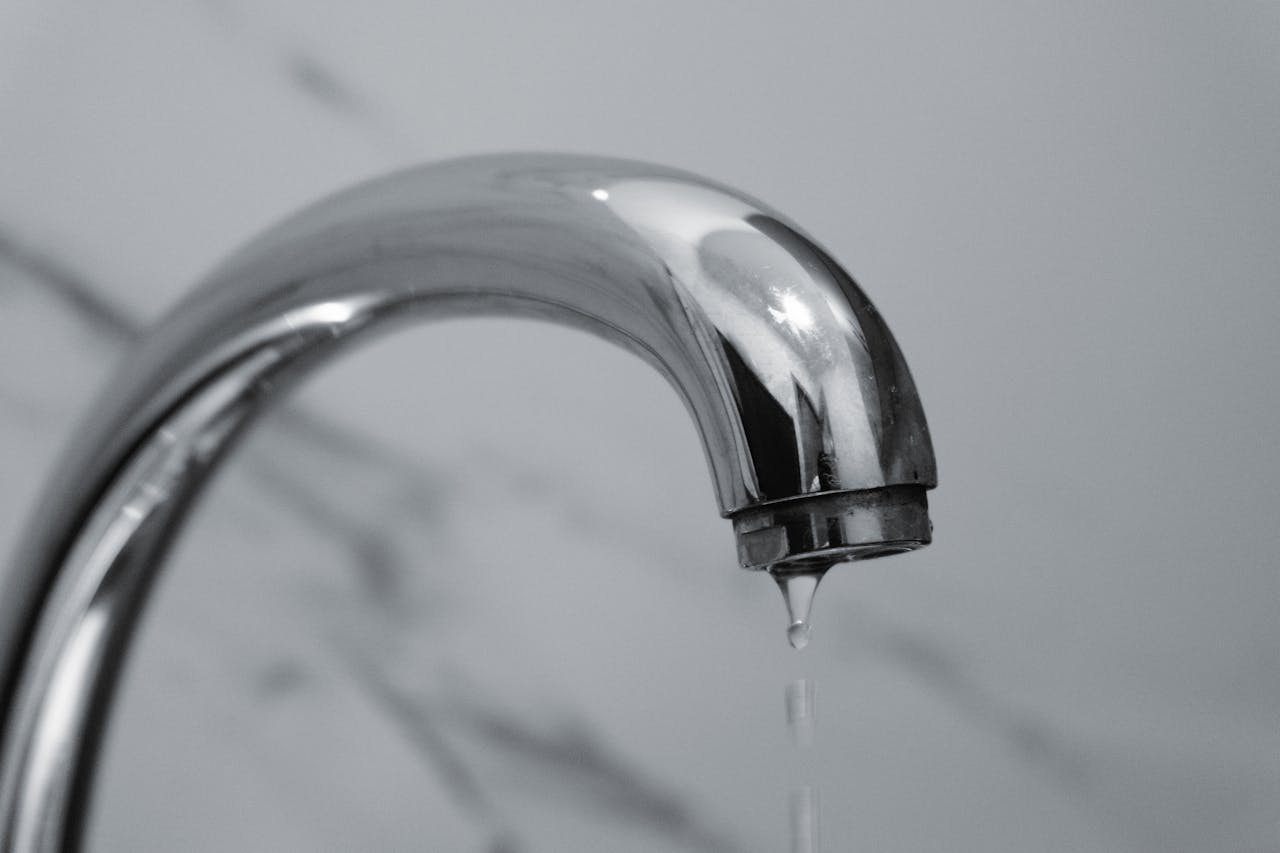
New Jersey landlords must also be mindful of lead in older pipes and fixtures, replacing them if necessary. Regular maintenance and timely repairs prevent emergencies, ensure residents’ health, and help your property stay compliant with state plumbing and habitability standards.
5. Maintain Warmth and Fresh Air
Heating systems need to be reliable, especially during New Jersey winters. Furnaces and boilers should be serviced annually by licensed professionals to avoid breakdowns and ensure efficient, safe operation.
Proper ventilation in kitchens, bathrooms, and living areas helps reduce mold, moisture, and indoor air pollutants. Keeping your property well-heated and ventilated protects residents’ health, enhances comfort, and preserves the overall condition of your rental for the long term.
Want to Know More?
6. Strengthen Your Property’s Foundation
A safe rental begins with a strong and stable structure. Floors, stairs, railings, and balconies should be inspected regularly to ensure they are secure and free from damage or rot. Weak spots can pose serious risks to residents and increase your liability.
Windows, doors, roofs, and exterior walls also need routine checks. Keeping all structural elements in good condition not only prevents accidents but also maintains the value of your property, showing residents that you take safety and maintenance seriously.
7. Prevent Infestations Proactively
Keeping your property pest-free is essential for resident health and comfort. Rodents, insects, and other pests can damage property and spread disease, so routine inspections and preventive measures are crucial.
Promptly addressing any signs of infestation ensures problems don’t escalate. Regular cleaning, sealing entry points, and working with professional pest control services help maintain a safe, hygienic environment that residents can trust in New Jersey rentals.
8. Combat Mold and Moisture
Moisture control is key to preventing mold, which can create serious health risks for residents. Basements, attics, bathrooms, and kitchens should be checked regularly for leaks, water stains, or high humidity.
Addressing leaks immediately and using proper ventilation keeps mold from developing. Maintaining a dry, well-ventilated property not only protects resident health but also preserves building materials and reduces costly repairs over time.
9. Prioritize Accessibility and Safe Access
Safe and accessible pathways, entrances, and ramps are essential, particularly in multi-family rentals. Clear walkways, functional doors, and secure steps ensure residents can enter and exit safely in New Jersey.
Where required, compliance with state accessibility standards makes your property inclusive and reduces potential liability. Keeping common areas well-lit and free from obstacles demonstrates professionalism and shows that resident safety is a top priority in every part of your rental.
Ready to Get Started?
Ensuring Safety Starts with the Right Support
Keeping your New Jersey rental property safe and compliant can feel overwhelming, but you don’t have to navigate it alone. PMI Prime Property helps rental property owners in NJ identify safety gaps, stay updated on state regulations, and implement effective solutions that protect both residents and your investment.
From inspections to maintenance guidance, their expertise ensures your property meets all necessary standards. Reach out to PMI Prime Property to discuss your options and discover the approach that’s right for your rentals.
