
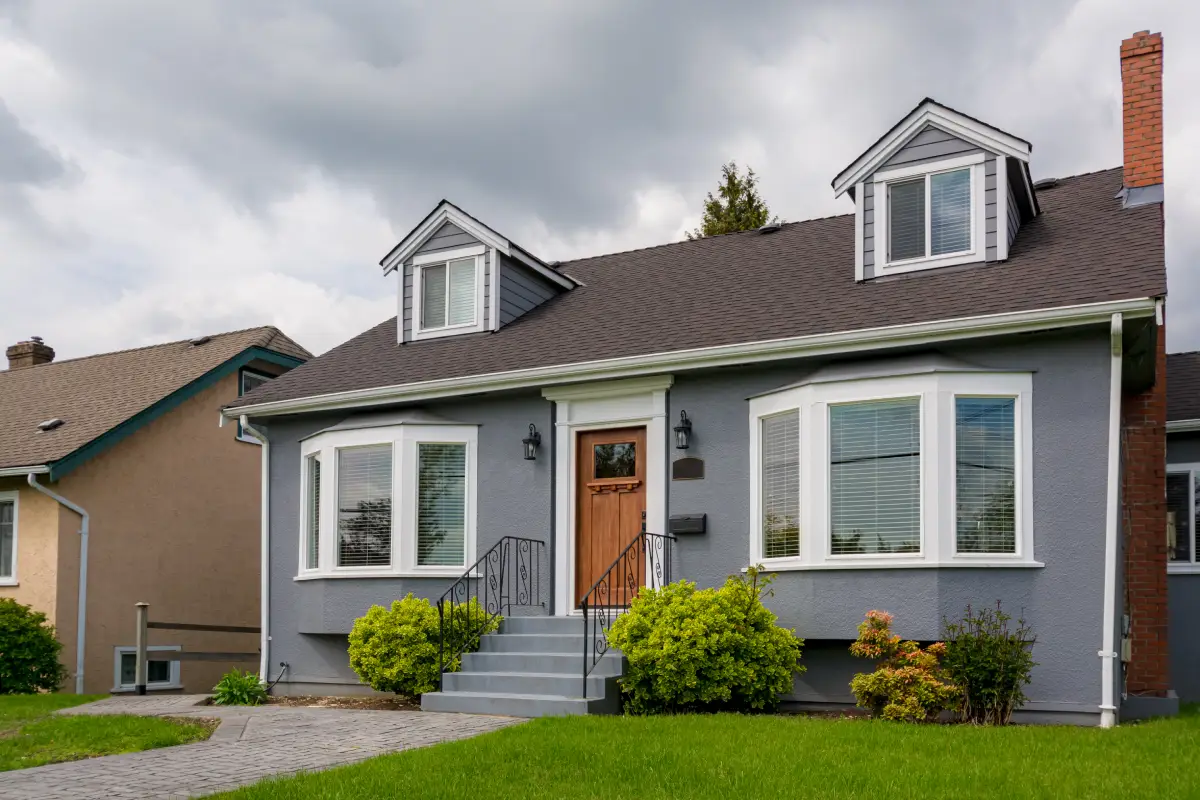
Winter storms in Northern New Jersey have a way of testing even the best-maintained rental properties. One day it’s mild and drizzly, and the next, a polar front sweeps in, freezing pipes and piling snow on rooftops. For landlords, a strong winter maintenance plan is essential. The difference between a smooth season and a string of repair calls often comes down to preparation, communication, and timing. You can simplify your process and cut costs by planning early and layering in preventive strategies. To help you get started, check out this seasonal property maintenance guide for practical, time-saving upkeep tips.
Key Takeaways
- Winter readiness starts with early inspections and consistent upkeep.
- Heating, plumbing, and insulation are the top priorities before freezing conditions.
- Regular communication with tenants reduces emergencies and confusion.
- Weatherproofing and efficiency upgrades protect property value long-term.
- Partnering with local experts ensures faster, more reliable service during peak season.
Start Early with a Layered Inspection Strategy
A successful winter plan begins before the cold hits. Instead of doing one quick check, break your inspections into stages to cover every part of your property thoroughly.
Stage 1: Preseason readiness
Walk through each unit, checking insulation and sealing air leaks in attics, crawl spaces, and window frames. Small drafts add up quickly once the temperature drops.
Stage 2: Mechanical systems check
Have a licensed technician inspect your furnace or boiler. Confirm that the thermostats work correctly and the filters are clean. Ductwork should also be sealed to ensure even heating.
Stage 3: Safety systems verification
Replace batteries in smoke and carbon monoxide detectors. These are critical during months when properties are sealed tight for warmth.
Scheduling these steps ahead of time prevents last-minute scrambles when every HVAC contractor is already booked.
Reinforce Heating Systems for Efficiency
Heating costs rise sharply during Northern New Jersey winters, so efficiency matters as much as reliability. A well-tuned system can save both energy and money.
A professional should:
- Clean the burners and test the ignition system.
- Lubricate blower components for smooth performance.
- Replace dirty filters to keep airflow unrestricted.
- Test safety switches and gas pressure.
For properties with older systems, consider upgrading thermostats or insulation to improve long-term efficiency. For more insight, explore this guide on winterizing rental properties to prepare for the cold months ahead.
Prevent Plumbing Disasters Before They Start
Frozen or burst pipes can cause thousands in damage. To stay ahead, identify areas most prone to freezing and apply extra protection there.
Key prevention steps
- Insulate exposed pipes in garages, basements, and crawl spaces.
- Keep indoor heat steady, even if a property is unoccupied.
- Open cabinet doors under sinks to allow warm air circulation.
- Remind tenants to let faucets drip slightly on frigid nights.
Encourage tenants to call immediately if they notice slow drains or reduced water flow. Quick communication can make the difference between a small issue and an emergency repair.
Roof, Gutter, and Drainage Control
Snow, ice, and debris can compromise your property’s roof and gutter system quickly. Schedule cleaning before the first major snowstorm.
Check for cracked shingles, missing flashing, or sagging gutters. Ensure that downspouts drain away from the foundation to prevent ice buildup and leaks.
If your property has multiple levels, professional roof inspections are well worth the cost. They help extend the roof’s lifespan and prevent structural damage caused by trapped moisture.
Optimize Weatherproofing and Energy Efficiency
A well-sealed property keeps tenants comfortable while reducing operating costs. Focus on tightening your building’s envelope with these small upgrades:
- Add door sweeps and replace worn-out weather stripping.
- Apply caulk around windows, vents, and electrical outlets.
- Use insulated window film to retain interior warmth.
To make your units more energy-efficient throughout the year, review this detailed post on improving energy efficiency in rentals.
Exterior Safety and Maintenance Planning
Outdoor areas need as much attention as the interior. Snow and ice can create hazards for tenants and visitors, so planning ahead is key.
Clear walkways, driveways, and parking areas after each storm. Use pet-safe ice melt and ensure steps and railings are sturdy. Check exterior lighting and replace any dim or broken bulbs to maintain visibility.
If you rely on snow removal vendors, finalize contracts early and document service times and conditions after each visit. This protects you from liability and keeps tenants satisfied.
Chimney, Fireplace, and Ventilation Maintenance
Fireplaces bring comfort to winter living but can quickly become fire hazards without proper upkeep. Schedule an annual cleaning for wood-burning systems and inspect gas fireplaces for leaks or ignition problems.
Make sure vents and flues are unobstructed to allow proper air flow. During the same visit, test smoke and carbon monoxide detectors to guarantee safe operation throughout the season.
Address Vacant or Extended-Stay Properties
Unoccupied units are especially vulnerable to winter damage. Schedule regular visits to verify that the thermostat is working, water lines are intact, and the roof remains stable after storms.
During each inspection, check ceilings and corners for signs of leaks or frost buildup. Keep a written record of all findings so that maintenance teams can respond quickly if issues appear.
Create a Winter Communication Protocol
Tenant communication is one of the best defenses against emergencies. Provide each renter with a winter guide that outlines what to do if heat fails, pipes freeze, or storms cause outages.
Your guide should include:
- An emergency contact number for 24-hour assistance.
- Step-by-step instructions for water shutoffs.
- Clear reporting procedures for leaks or power loss.
- Safety reminders for portable heaters and fireplaces.
Posting this information in visible locations, like near thermostats or breaker panels, ensures tenants know exactly how to act when problems arise.
FAQs about Winter Upkeep in Northern New Jersey, NJ
How early should landlords start preparing for winter?
Schedule inspections and service calls by late September to ensure all systems are ready before temperatures drop below freezing.
What are the most common winter-related issues for landlords?
Frozen plumbing, uneven heating, and roof leaks are the main challenges property owners face during Northern New Jersey’s cold months.
Should fireplaces be serviced every year?
Yes, annual inspections prevent creosote buildup, ensure ventilation, and reduce fire hazards, keeping tenants and properties safe.
How can technology assist with winter property management?
Smart thermostats and leak sensors help monitor temperatures remotely and detect water problems before they escalate.
How often should vacant rentals be checked in winter?
Inspect them every two weeks to prevent damage from freezing, moisture, or unnoticed maintenance failures.
Keep Your Properties Warm and Worry-Free
Winter in Northern New Jersey doesn’t have to mean stress or constant repair calls. With preventive inspections, efficient heating systems, and open tenant communication, landlords can manage the season with confidence and control.
At PMI Prime Property, we handle everything from winter maintenance coordination to vendor scheduling and emergency response. To make sure your rentals stay secure and efficient through every snowstorm, request expert property management support and let our team help your properties thrive no matter how cold it gets.
