

Key Takeaways
Normal wear (like minor scuffs, fading, or loose fixtures) is expected, while damage (like burns, breaks, or neglect) may be the tenant’s responsibility.
Move-in and move-out inspections with detailed records help prevent disputes and clarify accountability.
Don’t charge tenants for standard wear and tear, only for damage beyond normal use.
Regular maintenance and inspections keep the property in good shape and avoid bigger, costly issues later.
Ever wonder what truly qualifies as "normal wear and tear" in your rental property? It’s a question that can lead to confusion and costly disputes if not handled correctly.
For rental property owners in North Jersey, understanding this distinction is key to protecting your investment and maintaining great tenant relationships.
That’s why PMI Prime Property is here to help. By clarifying what’s expected and what’s not, you’ll be better equipped to manage repairs, security deposits, and turnover with confidence. Let’s break it down so you can protect your property and your peace of mind.
Want to Know More?
Understanding Normal Wear and Tear: A Landlord’s Practical Guide
As a rental property owner, knowing the difference between normal wear and tenant damage is essential for fair management and legal compliance. Use this checklist to evaluate your property accurately and protect your investment:
Flooring
Flooring often bears the brunt of daily life in a rental property. It’s important to understand what’s normal to avoid unfair deductions from a security deposit.
In North Jersey, where seasonal changes can impact materials, recognizing wear helps maintain trust with tenants and protect your investment. Inspect for minor scuffs and light fading, these are expected.
Deep scratches, burns, or stains from misuse, however, go beyond normal wear and may require tenant responsibility. Proper documentation during move-in and move-out ensures clarity.
Walls & Paint
Walls and paint naturally show signs of use over time. Small nail holes from hanging pictures or slight fading are standard in any rental. This kind of wear is part of the lifecycle of a property and shouldn’t be blamed on your tenant.
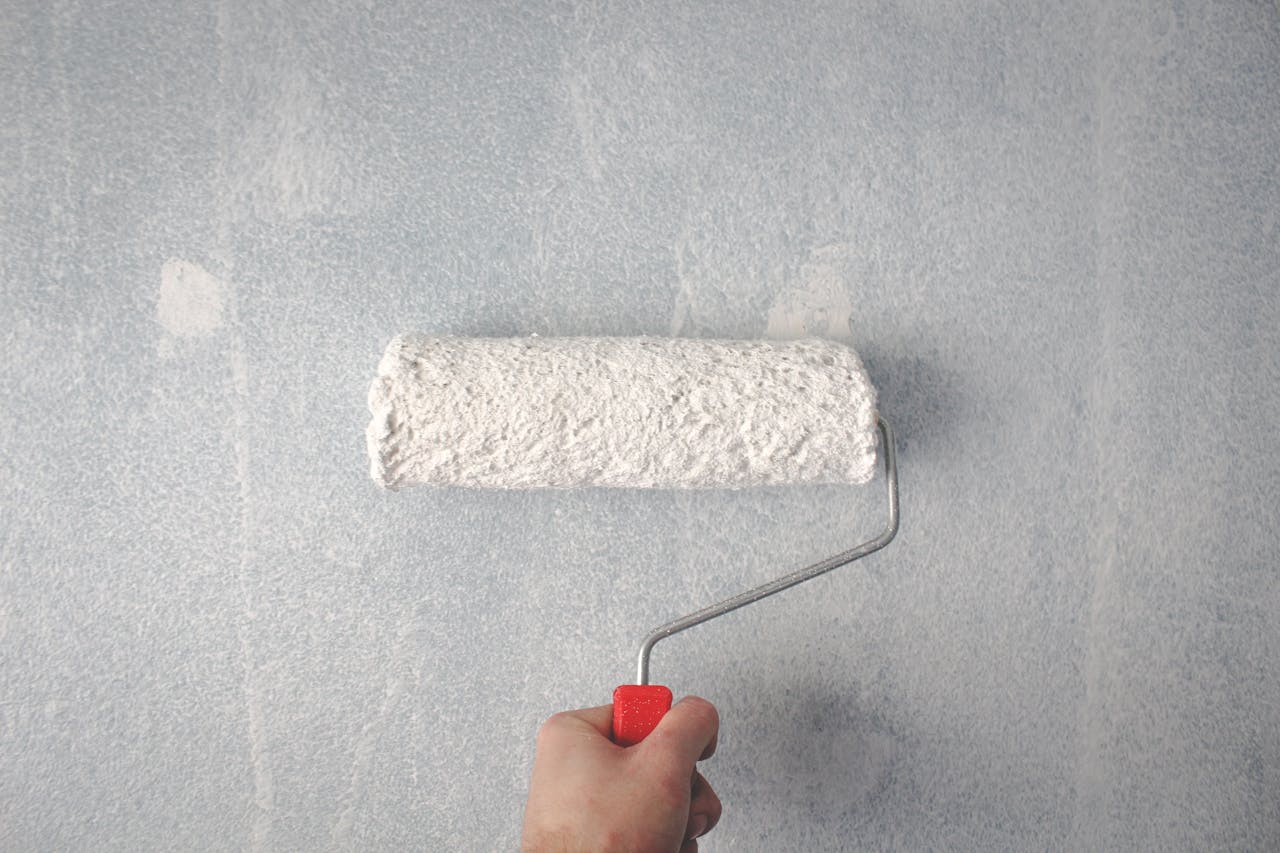
When evaluating, look for excessive holes, large marks, or peeling paint due to neglect. These indicate damage beyond normal wear. Regular touch-ups between tenants keep your property looking sharp and fair for everyone involved.
Appliances
Appliances are built to handle regular use, so minor scratches or discoloration are normal. In North Jersey homes, where appliances run frequently, slight wear is expected and shouldn’t be deducted from a tenant’s deposit.
However, broken knobs, dents from misuse, or non-functioning units due to neglect are the tenant’s responsibility. Documenting the condition of appliances before move-in helps prevent disputes and ensures accountability.
Fixtures & Hardware
Doorknobs, faucets, and cabinet hinges naturally loosen with regular use. This kind of minor adjustment is part of normal wear and tear in any rental property. Keeping an eye on these helps you stay on top of maintenance.
If fixtures are cracked, missing, or damaged by misuse, that’s another story. Regular checks during inspections can help you spot issues early. Small fixes keep your property in top shape and avoid bigger problems down the road.
Want to Know More About Your North Jersey Property?
Windows & Screens
Windows and screens naturally face weather exposure, leading to minor dust buildup or worn weather stripping over time. In North Jersey, where seasonal shifts can accelerate wear, it’s wise to distinguish between normal aging and actual damage.
When checking, look for slight scratches or loose screens. Cracked glass, torn screens, or holes in the frame suggest misuse and may require tenant responsibility. Proper documentation during inspections helps avoid confusion later.
Carpets & Rugs
Carpets and rugs gradually show signs of use, like flattened areas from furniture or minor soiling in high-traffic zones. This kind of wear is expected in any rental home and shouldn’t be deducted from a tenant’s security deposit.
 Evaluate for burns, tears, or pet stains, these go beyond normal wear. Regular vacuuming and professional cleaning between tenants helps maintain carpets and keep your property looking sharp for the next occupant.
Outdoors & Grounds
Outdoor areas and landscaping naturally experience wear from weather and time. Faded siding, weathered decks, or small dead spots in the lawn are typical for North Jersey properties and shouldn’t be blamed on tenants.
However, broken fences, large holes, or neglected landscaping suggest neglect. Regular inspections and seasonal upkeep help keep your property’s curb appeal intact and protect your investment long-term.
Lighting & Electrical Fixtures
Lighting and electrical fixtures often show minor signs of use, like slight flickering or faded bulb covers. This kind of wear is normal and doesn’t indicate tenant damage.
Broken switches, however, may result from misuse. Documenting fixture conditions during move-in ensures clarity. Quick fixes between tenants maintain safety and avoid unnecessary disputes.
Ready to Get Started?
Why Does This Matter?
Understanding normal wear and tear is about safeguarding your property and your peace of mind.
When you know what to expect, you can set clear expectations, handle security deposits fairly, and maintain your property’s value for years to come. But navigating these nuances alone can be tricky.
That’s where PMI Prime Property comes in. We specialize in helping North Jersey landlords streamline property management, from inspections to repairs and everything in between.
Let’s discuss how we can tailor our services to fit your needs and protect your investment. Reach out today to explore your options and find the perfect solution for your rental property.