
Key Takeaways
A fixed-term lease offers predictability over a set period, while a month-to-month tenancy offers flexibility.
The better choice depends on your goals, your property, your tolerance for turnover and the rules in your town.
New Jersey and its municipalities have specific rules on notices, rent changes and tenancy protections, so verify current requirements for your property and consult a qualified professional before choosing.
Few decisions shape a rental as much as the type of lease. A fixed-term lease commits both the owner and the resident to a defined period, commonly a year. A month-to-month arrangement renews automatically each month until someone ends it.
Each structure has strengths, and each has trade-offs. At PMI Prime Property, we know that these costs and benefits matter to Northern New Jersey owners.
This article explains how the two options work in general terms, compares their advantages and drawbacks, describes situations in which each may fit and lists questions to ask before choosing.
It’s meant to be general education, not legal advice. Rules differ by state and municipality and change over time, so verify current requirements and consult a qualified attorney about your own situation.
Want More Information About Pricing?
How Each Lease Type Works
Fixed-Term Lease
A fixed-term lease sets a start date and an end date, with rent and terms defined for that period.
During the term, the owner generally cannot change rent or terms unless the lease allows it or the law permits it, and the resident is generally committed for the period.
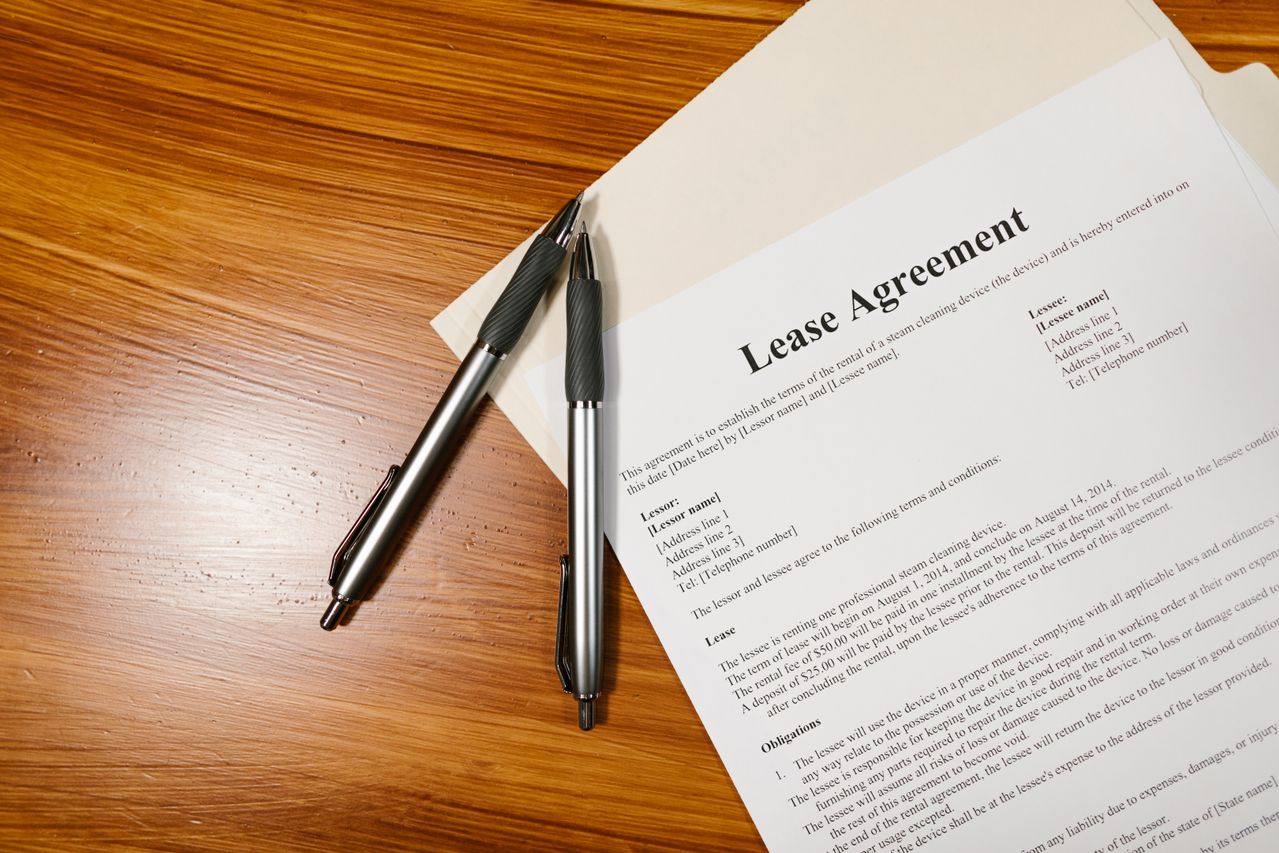
What happens at the end depends on the lease and the law. The parties may renew, sign a new lease, convert to a month-to-month arrangement or end the tenancy, subject to applicable rules.
Month-to-Month Tenancy
A month-to-month tenancy has no fixed end date. It continues from month to month until proper notice is given by the party who wishes to end it, or until the law allows termination.
Rent and terms may be adjusted with proper notice, subject to the lease and applicable rules. A month-to-month tenancy can be created intentionally or arise when a fixed-term lease ends and the resident stays.
Comparing Advantages and Drawbacks
Advantages of a Fixed-Term Lease
Benefits include:
Predictable income for the length of the term.
Reduced turnover and vacancy during the commitment period.
Clear dates for renewal planning and marketing.
Stability for residents who want certainty about their housing.
A well-defined framework for rent, rules and responsibilities.
Drawbacks of a Fixed-Term Lease
Costs include:
Rent amount is generally locked for the term, even if the market rises.
If a problem resident is in place, ending the tenancy early may be difficult and subject to legal procedures.
If the owner wants to sell or move back, a fixed term may restrict timing.
A lease that ends at an unfavorable time of year may increase vacancy risk.
Advantages of Month-to-Month
Month-to-month also comes with benefits and costs. It’s important to consider both options carefully.

Benefits include:
Flexibility to adjust rent or terms with proper notice, where the law allows.
More freedom for owners who may sell, renovate or occupy the home soon.
Appeal to residents who need short-term housing.
No long-term commitment for either party.
Drawbacks of Month-to-Month
Costs include:
Higher turnover risk, because a resident can give notice and leave earlier.
Less predictable income and more frequent vacancy.
More frequent marketing, showing and turnover costs.
Residents may feel less settled, which can affect how they care for the home.
Rules may limit the owner's ability to end the tenancy, so flexibility is not always as broad as it appears.
That last point deserves attention. In some places, tenant protections can limit the reasons for which an owner may end a tenancy, even a month-to-month one. Don’t assume that a month-to-month arrangement lets you end it at will. Verify the rules in your jurisdiction.
Which One Fits Your Situation?
A fixed term may fit when:
You want stable, predictable income for a defined period.
You intend to hold the property for the long term.
You’re placing a qualified resident and want to keep them.
You want to avoid the cost and hassle of frequent turnover.
Month-to-month may fit when:
You may sell, renovate or move back into the home in the near future.
You’re bridging time between longer leases.
A resident prefers flexibility and you’re comfortable with the risk of turnover.
You’re in the process of changing management, rent or other terms.
Want to Know More About Your New Jersey Property?
The Money Side of the Decision
Think about the numbers, not just the preference.

Compare the expected cost of turnover under each structure with the benefits of flexibility.
Estimate the cost of a vacancy, including lost rent, cleaning, repairs, marketing and screening.
Consider how often you expect a month-to-month resident to leave compared with a fixed-term resident.
Think about whether the ability to raise rent more frequently is worth the risk of losing a qualified resident.
Consider seasonal demand, since a lease that ends at a slow time may be harder to fill.
Convert Carefully When a Lease Ends
Many lease arrangements convert to month-to-month when a fixed term expires and the resident stays. Whether that happens automatically, and under what terms, depends on the lease language and the law.
Don’t let it happen by accident. Decide in advance whether you want to renew for a new term, convert deliberately or end the tenancy, and take the required steps with proper written notice.
Prepare and be thorough by:
Reviewing the lease for holdover and renewal provisions.
Calendaring the notice dates well before the lease ends.
Communicating early with the resident about your plans.
Using proper written notices and keeping proof of delivery.
Confirming the rules about rent changes, required notices and any local protections.
Put It in Writing
Whichever structure you choose, a clear written lease is essential. It should state the rent, due date, payment methods, late fee terms, the lease term or month-to-month structure, the notice required to end the tenancy and the responsibilities of each party.
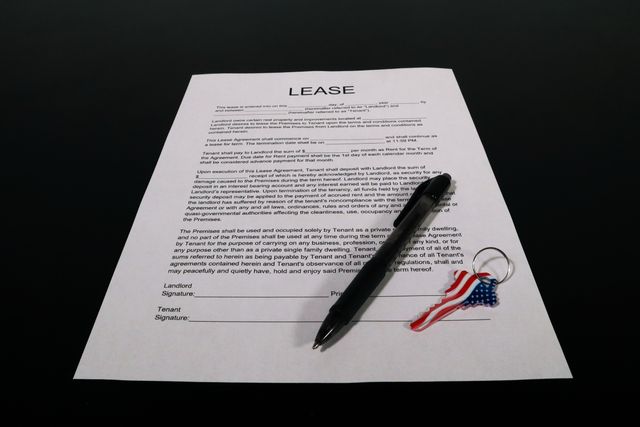
It should also address security deposit terms, entry, pets, repairs, utilities and any required disclosures. Have a qualified attorney review the document, and verify current New Jersey and local requirements.
Bottom Line
A fixed-term lease generally provides stability, while a month-to-month tenancy provides flexibility, and each comes with trade-offs.
The right choice depends on your goals, the property, the market and the rules that apply. Since New Jersey and local requirements are specific and change, verify current requirements and consult a qualified attorney before you decide.
If you’re looking to partner with a property management company for your New Jersey rental, connect with our team today to learn about our service.
Want to Know More About Us?
Frequently Asked Questions
Is Month-To-Month Riskier for Owners?
It can be, because residents may leave on shorter notice, which can increase vacancy and turnover costs. It can also offer useful flexibility. Weigh your goals and finances, and verify the rules that apply to ending and changing the tenancy in your town.
Can I Raise Rent During a Fixed-Term Lease?
Generally, rent is set for the term unless the lease provides otherwise and the law permits it. Rent changes and notice requirements are specific, so verify current requirements and consult a qualified attorney before attempting a change.
What Happens When a Fixed-Term Lease Ends?
It depends on the lease and the law. The parties may renew, sign a new lease, continue on a month-to-month basis or end the tenancy with proper notice. Decide your plan early and use written notices.
Can I End a Month-To-Month Tenancy at Any Time?
Not necessarily. Notice rules apply, and some jurisdictions limit the reasons for ending a tenancy. Verify current New Jersey and local requirements and consult a qualified attorney before giving notice.
How Can PMI Prime Property Help With Lease Decisions?
We offer property management solutions at every step of the leasing process, serving owners in Morristown and the surrounding Northern New Jersey communities. Reach out to us to ask how we handle leasing and request a free rental analysis.
Ready to Get Started?
