Key Takeaways
Before renting a New Jersey home, owners should confirm all relevant rules, make the property safe and compliant, price it appropriately and review insurance.
New Jersey and its municipalities can impose specific requirements on rentals, so owners should verify current requirements for the exact town and consult a qualified attorney.
A written plan for screening, leasing, maintenance and recordkeeping protects both the owner and resident, and reduces avoidable problems.
Perhaps you’re relocating for work, moving closer to family or holding onto a home you cannot sell on acceptable terms.
At PMI Prime Property, we know that whatever the reason, turning a Northern New Jersey house, condo or townhome into a rental is a meaningful step. The property that worked as your residence now has to function as a safe, compliant and competitive rental.
This checklist walks through what to do before the first listing goes live. It covers rules and permissions, safety and repairs, documentation, pricing, insurance, screening, leasing and management.
It’s general education, not legal, tax or insurance advice. Rules differ by municipality and change over time, so verify current requirements and consult qualified professionals about your situation.
Want More Information About Pricing?
Step 1: Confirm You Can Rent the Property
Start with permission and paperwork. Skipping this step can lead to fines, delays or disputes.

Confirm the following:
Review your mortgage documents for occupancy and renting requirements, and speak with your lender if needed.
If the home is in a condominium or homeowners association, read the governing documents for rental restrictions, approval steps, minimum lease terms and registration requirements.
Contact the municipality to ask whether rental registration, a certificate, an inspection or a fee is required before a tenant moves in. Inquire about occupancy limits, parking, trash and property maintenance.
Step 2: Make the Home Safe and Compliant
A rental must be safe and habitable. Walk through and inspect the home carefully.
Safety Basics
Ensure the following are in place:
Working smoke alarms and carbon monoxide alarms, installed as the rules require.
A fire extinguisher where required by local or state rules.
Secure exterior doors, windows and locks.
Safe stairs, railings, walkways and steps.
Safe electrical and heating systems with no hazards.
Inspections, Certificates and Lead
Some New Jersey towns require an inspection or certificate before a rental can be occupied, and certain homes may be subject to lead-based paint requirements or inspections. Requirements depend on the type of property, its age and the municipality.
Verify current requirements and consult a qualified attorney about what applies to your home.
Moisture, Mold and Pests
Older homes and basements can have moisture problems. Look for leaks, stains, odors and signs of pests, and correct the underlying cause.
Step 3: Repair and Refresh
Deferred maintenance becomes a headache once a tenant lives in the home.
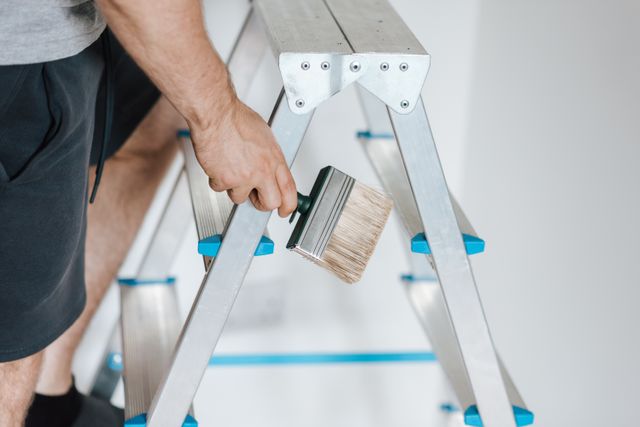
Fix any problems ahead of time.
Repair leaks and plumbing issues.
Service the heating and cooling systems, since Northern New Jersey winters are demanding.
Inspect the roof, gutters and drainage.
Repair or replace damaged flooring, fixtures and appliances.
Repaint worn walls in neutral colors.
Clean thoroughly, including carpets, windows and appliances.
Tidy the landscaping and clarify who will handle snow removal and lawn care.
Step 4: Document the Condition
Thorough documentation protects both you and the future resident. Photograph and video each room and system with date stamps, and prepare a written condition report listing flooring, walls, windows, doors, appliances and any existing damage.
When the lease ends, a clear record helps distinguish normal wear from damage and supports any security deposit accounting.
Want to Know More About Your New Jersey Property?
Step 5: Set the Right Rent
Use current market data to price your rental appropriately.
Compare similar homes by size, condition, location and features.
Consider the access to transit, schools, shopping and employment that matter to renters in your town.
Think about seasonality and current demand.
Account for vacancy, maintenance and management costs.
Reassess if showings and applications do not follow.
Step 6: Review Insurance
A homeowners policy is written for an owner-occupied home. When you rent, coverage may change or may not apply the same way. Talk with a licensed insurance professional about landlord coverage, liability limits and any conditions related to vacancy.

Consider requiring renters insurance from the resident and including the requirement in the lease after attorney review.
Step 7: Plan Fair Screening
Decide how you will evaluate applicants before the first application arrives. Consistency protects you and supports fair treatment.
Set written minimum standards for income, rental history, credit and background.
Apply the same criteria and process to every applicant.
Keep records of decisions and the reasons for them.
Follow federal, state and local fair housing rules in advertising and screening.
Follow requirements for screening reports, fees and notices if you decline an applicant according to state laws and local requirements.
Step 8: Prepare a Compliant Lease
The lease sets the tone for the whole tenancy. A weak document creates problems that are expensive to repair.
Identify all adult occupants and the parties.
State the rent, due date, accepted payment methods and late fee terms.
Define the lease term, renewal terms and notice requirements.
Describe security deposit terms accurately and in line with current New Jersey law.
Assign responsibilities for repairs, utilities, snow removal and yard care.
Address pets and assistance animals correctly.
Describe entry procedures and notice requirements.
Attach any disclosures, statements or addenda that the law requires.
Have a qualified attorney review your lease and verify current requirements for deposits, notices, required statements and termination.
Step 9: Decide How You’ll Manage
Many owners underestimate the workload. Consider who will market the home, show it, screen applicants, collect rent, respond to maintenance, deliver notices and keep records.

If you hire a property manager, compare the fees and services in writing, along with the agreement and termination terms.
Step 10: Organize Your Records and Taxes
Good records protect you and simplify tax filing. Keep leases, applications, screening results, condition reports, photographs, repair invoices, payment ledgers, notices and correspondence organized by property.
Speak with a tax professional about how rental income and expenses are treated, since rules are specific and change.
Northern New Jersey Considerations
Northern New Jersey includes a wide range of communities, from historic downtowns to suburban neighborhoods, and property types range from older single-family homes to condos and townhomes.
Winters bring snow and ice, so the lease should spell out who handles snow removal and walkway safety. Older homes may have aging heating and plumbing systems, and some properties may have oil tanks or other features that require special attention.
Association rules and local ordinances can affect how a home may be rented, so confirm them early.
Bottom Line
Preparation is key. Confirm that you can rent, make the home safe and compliant, repair and document it, price it from current data, review insurance, set screening standards and use a sound lease.
Since rules vary by municipality and change, verify current requirements and consult qualified professionals.
Get in touch with our team of property managers today to learn how we could help you rent out your New Jersey home.
Want to Know More About Us?
Frequently Asked Questions
Do I Need a Certificate or Inspection Before Renting in New Jersey?
It depends on the municipality and the type of property. Some towns require registration, an inspection or a certificate before a tenant can move in. Contact the local municipal office and verify current requirements, and consult a qualified attorney if you are unsure what applies.
What Should I Repair Before Listing My Home for Rent?
Prioritize safety and habitability, including alarms, locks, heating, plumbing, electrical issues and moisture. Then address cosmetic items such as paint, flooring and cleaning. Document the condition with dated photographs once the work is complete.
Is My Homeowners Insurance Enough if I Rent?
Not necessarily. A policy written for an owner-occupied home may change or may not respond the same way once a tenant lives there. Talk with a licensed insurance professional and read the policy language carefully.
How Do I Decide the Rent?
Use current local comparisons and a professional rental analysis instead of your mortgage payment. Consider size, condition, location, features and seasonal demand, and be ready to adjust.
How Can PMI Prime Property Help Me Prepare to Rent?
Yes. Our services include leasing support, tenant placement, maintenance, rent collection and reporting. Get in touch today to learn how our property management solutions would work for you.
Ready to Get Started?
