
Key Takeaways
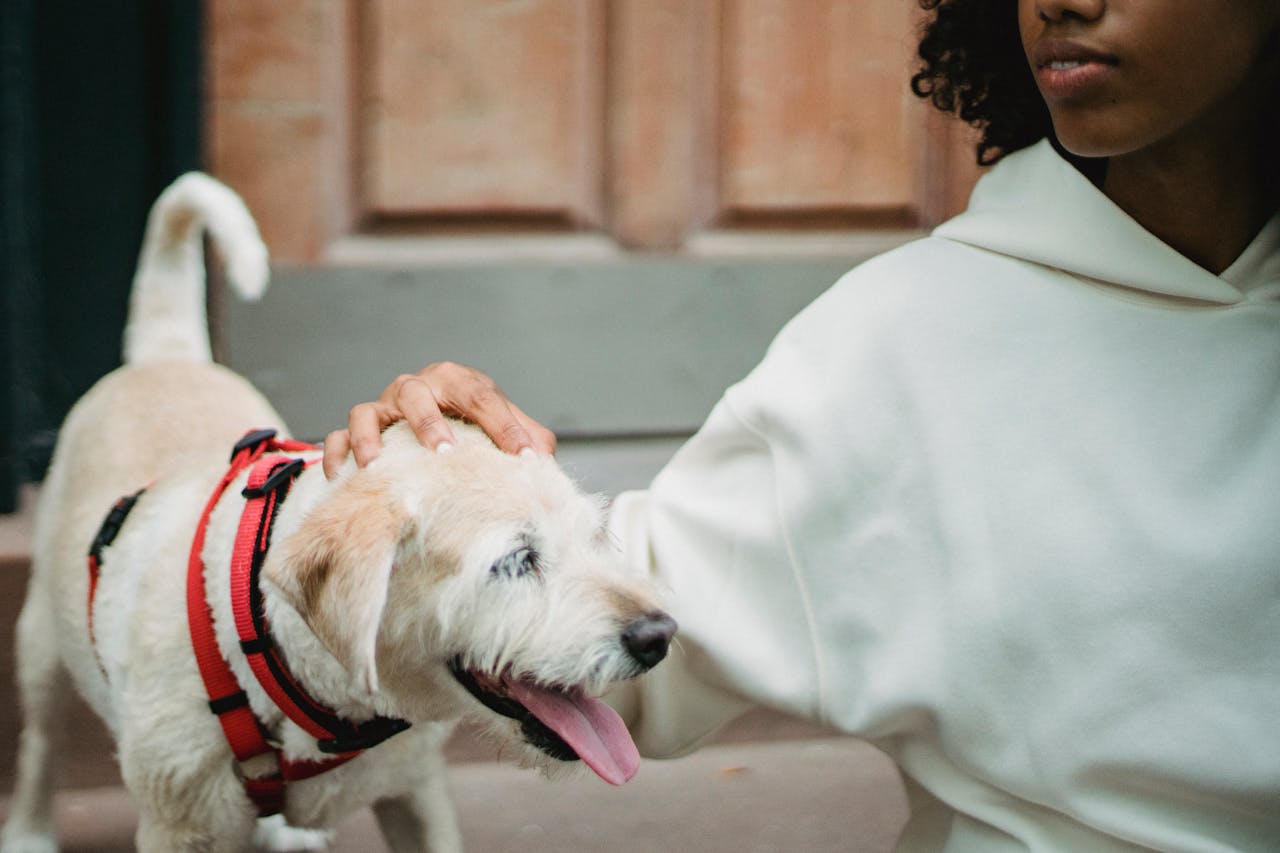
Pet-friendly rentals attract more applicants in Northern New Jersey because many renters already own pets and prioritize accommodating housing.
Allowing pets can improve tenant retention, since pet owners are often more likely to stay longer and renew leases due to relocation challenges.
Pet policies can generate additional income, such as pet rent or deposits, which can help offset maintenance, cleaning, and wear-and-tear costs.
Clear rules and proper screening reduce risks, making pet-friendly rentals manageable while still protecting property conditions and landlord interests.
Rental housing trends in Northern New Jersey continue to evolve as renter preferences shift toward flexibility, convenience, and lifestyle compatibility.
One major factor influencing leasing decisions today is pet ownership. For many renters, finding a home that welcomes pets is often a requirement.
Because a large number of rental properties still maintain restrictive pet policies, landlords who allow pets may gain an advantage in attracting qualified applicants and reducing vacancies.
While concerns about property damage or liability are understandable, PMI Prime Property will go over why many Northern New Jersey property owners are finding that a structured pet-friendly policy can support stronger long-term rental performance.
Want More Information?
Pet-Friendly Rentals Reach a Wider Tenant Pool
Many renters searching throughout Northern New Jersey already own pets before beginning their housing search.
From Jersey City and Hoboken to Newark, Montclair, and surrounding commuter communities, renters frequently prioritize properties that accommodate dogs or cats. However, available pet-friendly inventory often remains limited.
As a result, landlords who allow pets often attract more inquiries and applications compared to properties with strict no-pet rules. A larger applicant pool creates more flexibility during tenant selection and may help owners reduce extended vacancy periods between leases.
Pet Owners Are Often Motivated to Stay Longer
Moving is rarely simple, especially in dense Northern New Jersey housing markets where competition for rentals can already be intense. For tenants with pets, relocating becomes even more complicated.
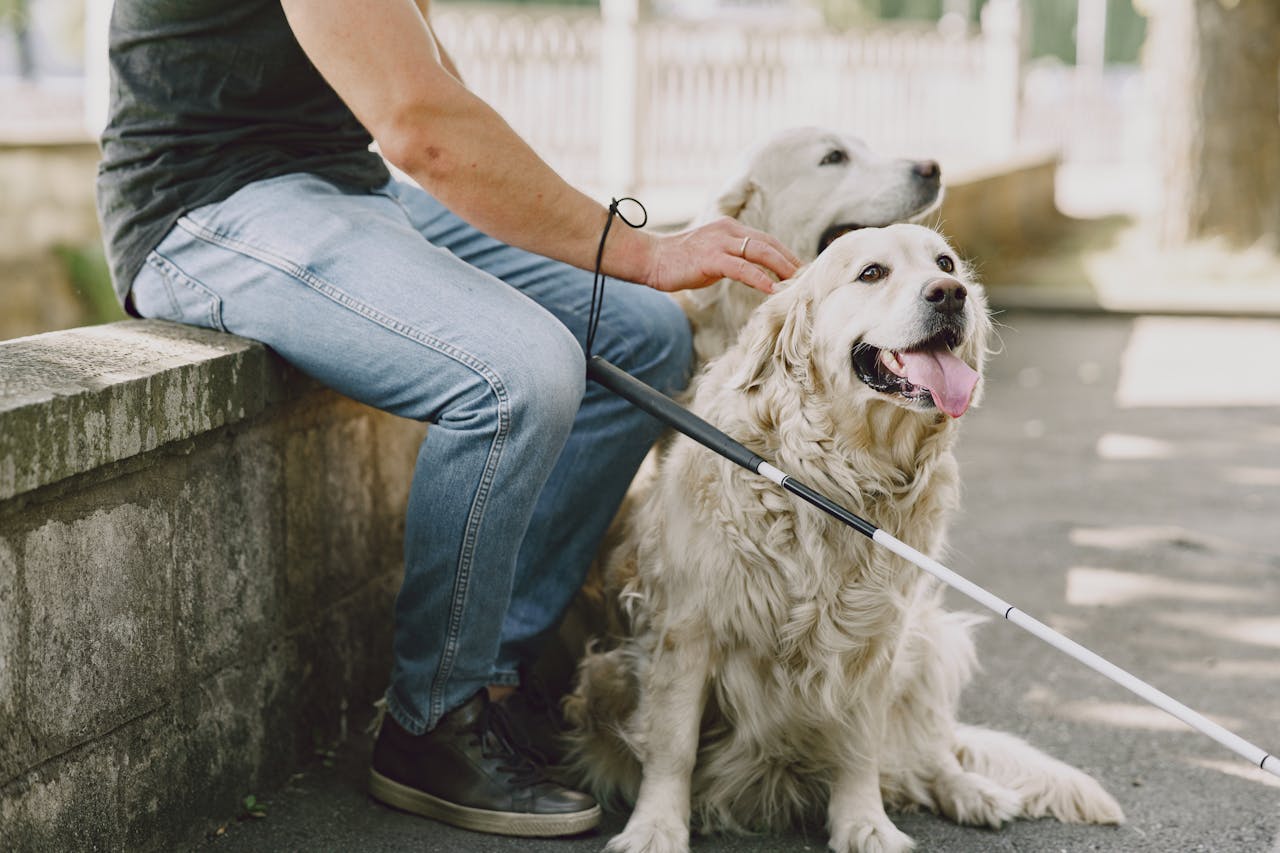
They may need updated vaccination records, pet references, transportation arrangements, and approval from a new landlord before securing housing. Pets also tend to adjust better when routines and environments remain stable.
Because of this, renters with pets are frequently more likely to renew leases once they find a property that accommodates their household comfortably. Many pet owners also prefer avoiding repeated application processes and additional pet screening requirements whenever possible.
Additional Pet Income Can Support Property Maintenance
One reason many landlords reconsider pet restrictions is the financial opportunity. Pet-friendly rentals commonly include pet fees, pet deposits, or monthly pet rent designed to offset additional wear and tear.
Most pet owners already expect these costs and factor them into their housing budgets. In some Northern New Jersey neighborhoods where pet-friendly options are limited, landlords may also find that renters are willing to pay slightly higher monthly rates for suitable housing.
Over time, these additional funds can help support professional cleaning, flooring upgrades, landscaping, or preventative maintenance between tenants.
Want to Know More About Your Property?
Many Pet Owners Display Strong Responsibility
Daily feeding schedules, exercise routines, veterinary visits, grooming, and training all require organization and accountability.
While landlords should still conduct thorough tenant screening, many property owners find that responsible pet owners often demonstrate stable routines and long-term planning habits.
Additionally, tenants with pets usually understand that pet-friendly housing can be harder to secure. This often encourages them to follow lease terms carefully and maintain positive relationships with management.
Strong screening procedures remain important, but rejecting all pet owners may unnecessarily eliminate dependable applicants.
Modern Renters Increasingly Expect Pet Accommodation
Restaurants with outdoor pet seating, pet supply boutiques, dog parks, pet daycare businesses, and pet-friendly retail environments have become increasingly common across Northern New Jersey communities.
Housing trends are shifting alongside those lifestyle changes. For many renters, pets are considered part of the family rather than temporary companions. Properties that recognize this shift may position themselves more competitively within the rental market.
Flexibility can become a major advantage when tenants compare multiple listings at similar price points.
Want to Know More About Us?
Clear Pet Policies Create Better Control
Allowing pets does not mean removing structure from the lease agreement. Successful pet-friendly rentals typically operate with clear written policies that define expectations for tenants from the beginning.
These policies may include:
Breed or size restrictions where permitted.
Maximum number of pets allowed.
Vaccination requirements.
Waste disposal rules.
Noise expectations.
Property damage responsibilities.
Insurance requirements.
Clear documentation helps reduce confusion while giving landlords stronger operational control over the property. Detailed policies often create fewer problems than informal verbal agreements.
Preventive Management Helps Reduce Risk
Concerns about scratched flooring, odors, stains, or liability are common among landlords considering pet-friendly policies.
However, many of these risks can be managed proactively through strong screening procedures and preventative maintenance practices. Durable flooring materials, scheduled inspections, professional cleaning, and pet reference checks can help reduce long-term issues significantly.
Some landlords also require renter’s insurance policies that include pet-related liability coverage for additional protection. Routine maintenance and early communication with tenants can also help prevent small concerns from becoming larger property issues later.
Tenant Satisfaction Often Leads to Better Retention
For many renters, living with pets contributes directly to comfort and emotional well-being. Tenants who feel comfortable in their homes are often more likely to renew leases, communicate responsibly, and care for the property properly.
Positive tenant experiences can also strengthen a property’s reputation and generate referrals from other renters searching for pet-friendly housing. Long-term tenant satisfaction often supports stronger operational stability for landlords.
Ready to Get Started?
Conclusion
Allowing pets is ultimately a strategic business decision tied to tenant demand, occupancy stability, and rental competitiveness.
Northern New Jersey landlords who implement thoughtful pet policies and professional management practices may benefit from broader tenant interest, stronger lease renewal rates, and more consistent rental income.
Properties that adapt to changing renter preferences are often more competitive in today’s housing market.
If you’re a property owner looking to reduce vacancies, improve tenant retention, and simplify daily operations, you can benefit from partnering with an experienced property management team.
Professional management helps landlords create balanced pet policies, coordinate inspections, manage tenant communication, and protect long-term property value while supporting a positive rental experience. Contact PMI Prime Property today.
